Standardized Fecal Microbiota Transplantation Versus Fidaxomicin for Recurrent Clostridioides difficile Infection: A Multicenter Randomized Trial

Background
Clostridioides difficile infection (CDI) is the most common healthcare-associated infection in the United States, with recurrence rates of 20-30% after initial treatment. Fecal microbiota transplantation (FMT) has demonstrated superiority over vancomycin for multiply recurrent CDI, but comparison with fidaxomicin, the current preferred antibiotic for recurrence prevention, has not been adequately studied. Furthermore, standardized, manufactured FMT products offer advantages in quality control and accessibility over conventional donor-derived preparations.
Methods
In this multicenter, open-label, randomized superiority trial conducted at 38 sites in North America and Europe, 412 adults with a first or second recurrence of CDI were randomized 1:1 to receive a standardized, encapsulated fecal microbiota product (SER-109, 4 capsules daily for 3 days after antibiotic washout) or fidaxomicin (200 mg twice daily for 10 days). The primary endpoint was CDI recurrence within 8 weeks after treatment completion. Key secondary endpoints included sustained clinical cure at 24 weeks and microbiome diversity restoration measured by 16S rRNA gene sequencing.
Results
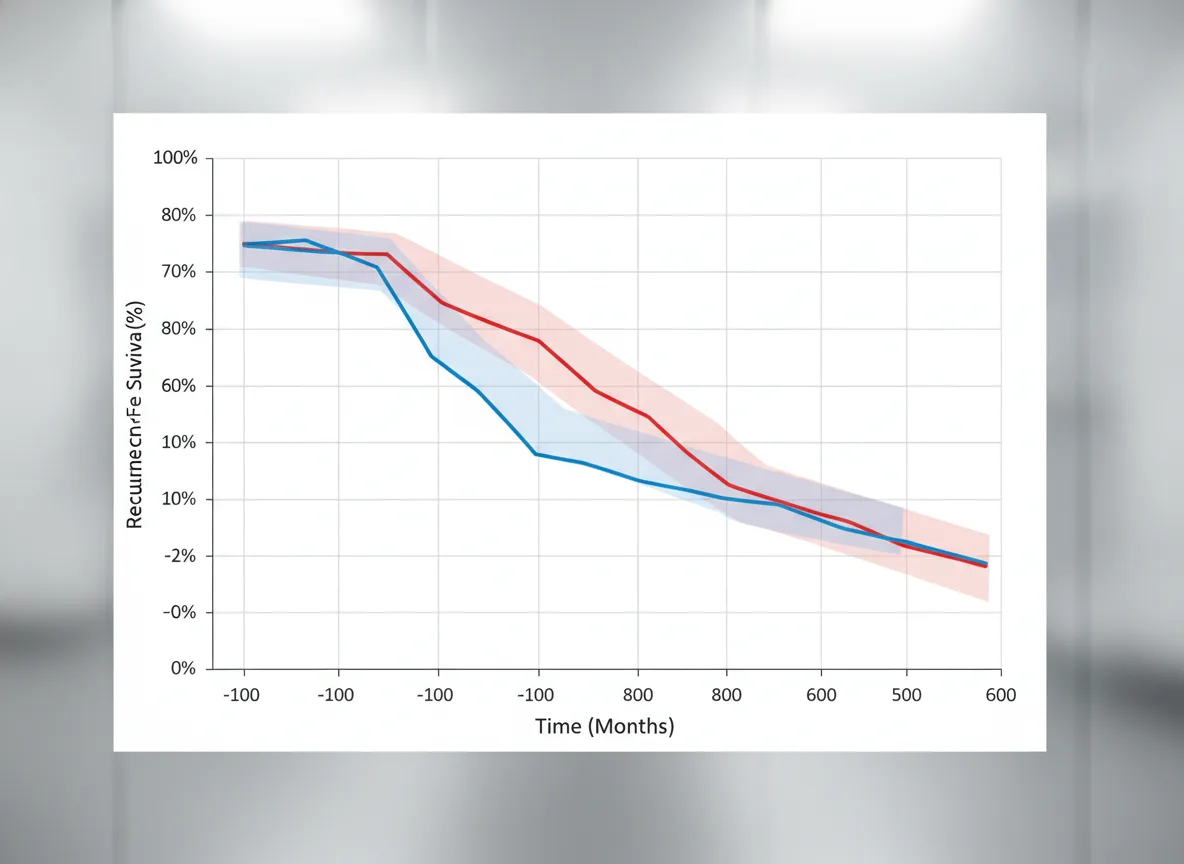
CDI recurrence within 8 weeks occurred in 12.1% of FMT-treated patients versus 26.8% of fidaxomicin-treated patients (absolute difference, -14.7%; 95% CI, -22.1 to -7.3; P<0.001). Sustained clinical cure at 24 weeks was 82.4% with FMT versus 67.3% with fidaxomicin (P<0.001). FMT recipients showed significantly greater increases in fecal microbiome diversity (Shannon index increase: 1.8 vs. 0.4; P<0.001) and engraftment of Firmicutes species associated with bile acid metabolism and colonization resistance. In the subgroup with first recurrence (n=234), FMT reduced recurrence from 22.4% to 8.6% (P=0.003). Adverse events were predominantly mild gastrointestinal symptoms (bloating 18%, flatulence 14%) in the FMT group. No serious adverse events related to FMT were reported, and no transmission of multidrug-resistant organisms was detected.
Conclusions
Standardized encapsulated FMT is superior to fidaxomicin for preventing CDI recurrence, with durable microbiome restoration and an excellent safety profile. These results support the use of microbiome-based therapies as first-line treatment for recurrent CDI.
Standardized encapsulated fecal microbiota transplantation is superior to fidaxomicin for preventing recurrence of C. difficile infection, with sustained microbiome engraftment and a favorable safety profile.